


The Evolution of the Sofa Industry: A Blend of Comfort, Design, and Innovation
- 扬 于
- Sep 20, 2024
- 4 min read

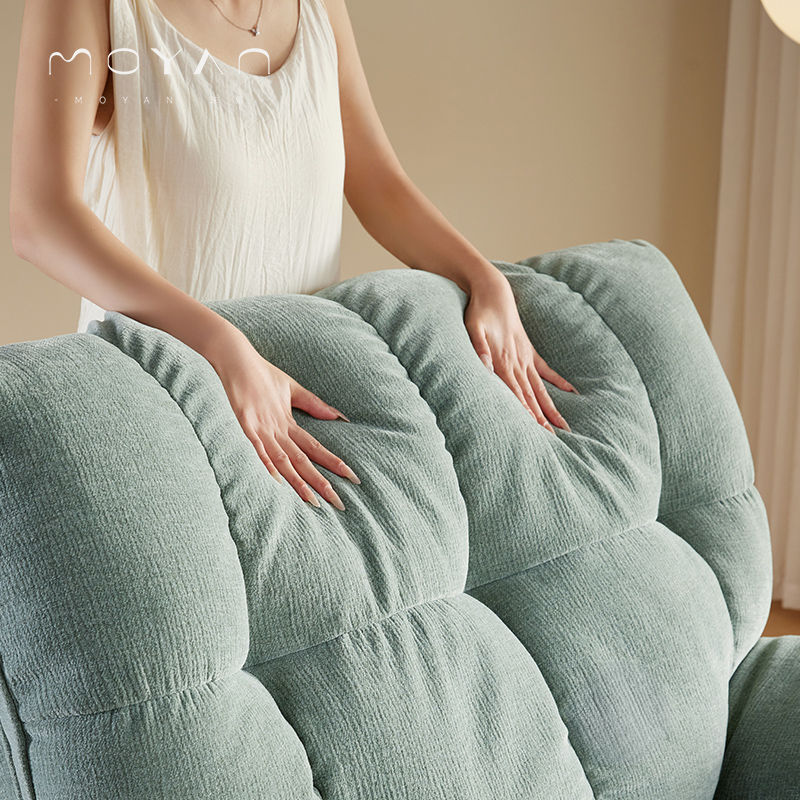
The sofa industry has come a long way from its humble beginnings as a functional piece of furniture. Today, sofas are more than just seating options; they represent comfort, style, and innovation in home décor. As lifestyles and preferences evolve, so does the sofa industry, with manufacturers continuously pushing the boundaries of design, materials, and technology to meet the ever-growing demand for quality and variety.
The Modern Sofa: A Must-Have for Every Home
Sofas have become the centerpiece of living rooms across the globe, defining both the aesthetic and functionality of a space. The demand for multi-functional, comfortable, and aesthetically pleasing furniture has driven the sofa industry to innovate in ways that were unimaginable a few decades ago. Sofas now come in a variety of styles, sizes, and materials, designed to cater to diverse tastes and interior design trends.
From classic leather recliners to modular sectionals and sofa beds, the modern sofa is more than just a place to sit—it's an essential piece that reflects individual lifestyle choices. The integration of features such as motion mechanisms, adjustable recliners, and smart technology has added new dimensions to what consumers expect from their sofas.
Key Trends Shaping the Sofa Industry
Several key trends have emerged in the sofa industry, driving both innovation and market growth:
1. Sustainability and Eco-Friendly Materials
As consumers become more eco-conscious, the demand for sustainable furniture has surged. Sofa manufacturers are increasingly using eco-friendly materials such as recycled fabrics, sustainable wood, and low-emission foam. Ethical production practices and certifications like FSC (Forest Stewardship Council) are becoming important to consumers, pushing companies to adopt greener processes.
2. Smart Furniture Integration
The integration of technology into furniture is a rapidly growing trend, and the sofa industry is no exception. Smart sofas with built-in features such as USB charging ports, wireless phone charging pads, and even voice-activated reclining mechanisms are becoming increasingly popular. This trend reflects the broader shift towards smart homes, where technology seamlessly integrates with everyday life.
3. Customization and Personalization
Gone are the days of one-size-fits-all furniture. Consumers today seek personalization in their furniture choices, leading to a growing demand for customizable sofas. Whether it’s choosing fabric, colors, or configurations, sofa manufacturers are offering more options to cater to individual preferences. Customization allows consumers to match their furniture to their unique home décor and lifestyle needs.
4. Compact and Multi-Functional Designs
As urban living spaces become smaller, especially in major cities, the demand for space-saving, multi-functional furniture is on the rise. Sofa beds, modular sofas, and designs that incorporate storage are increasingly popular among city dwellers. Manufacturers are responding by creating compact, versatile sofas that maximize space without compromising on comfort or style.
5. Health and Ergonomics
Health-conscious consumers are now looking for furniture that supports their well-being. This has led to the development of ergonomic sofas with features like lumbar support, adjustable headrests, and motion recliners. These designs cater to individuals who spend long hours sitting and are looking for furniture that promotes better posture and overall comfort.
Global Growth and Opportunities
The sofa industry has seen significant global growth, driven by increasing disposable incomes, urbanization, and evolving lifestyle preferences. According to recent industry reports, the global market for sofas is expected to continue expanding, with major growth in regions like Asia-Pacific, North America, and Europe.
1. Rising Demand in Asia-Pacific
The Asia-Pacific region, particularly countries like China and India, has become a hotspot for sofa manufacturing and consumption. Rapid urbanization, a growing middle class, and the rise of online furniture shopping have fueled demand in this region. China, being one of the largest furniture production hubs, offers a robust supply chain and competitive pricing, making it a key player in the global sofa industry.
2. E-Commerce Revolution
The rise of e-commerce has transformed how consumers shop for furniture, including sofas. Online platforms offer customers the convenience of browsing through a wide variety of designs, colors, and configurations from the comfort of their homes. The ability to order customizable sofas online and have them delivered directly to the doorstep has revolutionized the industry, particularly during the COVID-19 pandemic.
3. Increasing Focus on Luxury and Premium Segments
While affordability remains important, there is also a growing demand for luxury and premium sofa options. High-end materials like top-grain leather, hand-crafted wooden frames, and plush cushioning are in demand among consumers looking for luxury home décor. The focus on luxury has also led to the resurgence of classic and vintage designs, which add a touch of elegance to modern interiors.
Challenges and the Road Ahead
While the sofa industry is thriving, it also faces certain challenges. The supply chain disruptions caused by global events like the COVID-19 pandemic have impacted production timelines and material availability. Rising raw material costs, particularly for fabrics, wood, and foam, have also put pressure on manufacturers to maintain affordability while ensuring quality.
Moreover, with the growing emphasis on sustainability, manufacturers must balance eco-friendly production practices with the need to keep prices competitive. Consumers are increasingly holding companies accountable for their environmental impact, pushing for greater transparency in the sourcing and production processes.
Conclusion
The sofa industry is at the crossroads of tradition and innovation. As consumer preferences evolve, manufacturers are adapting to meet the demand for comfort, style, and sustainability. With emerging trends such as smart technology integration, customization, and eco-consciousness, the future of the sofa industry looks promising. Companies that continue to innovate and prioritize the customer experience will thrive in this dynamic market.
Whether it's for lounging, working, or entertaining, sofas will remain an essential part of our homes—combining the best of comfort, design, and functionality for years to come.


Comments